
By Muvtons – Your Guiding Hand in Material Handling
In modern industrial environments, businesses are under pressure to improve safety, reduce injuries, and maintain high productivity. Although castors may seem like small components, ergonomic castors play a major role in determining how safely and efficiently equipment moves in a facility. When designed correctly, they significantly reduce push/pull force, lower physical strain, and enhance operator comfort. Consequently, they support smoother workflow and help prevent long-term musculoskeletal disorders.
This article explains what makes a castor ergonomic, why ergonomic castors matter, how push/pull force is measured, and how Muvtons helps organizations choose the right solution for their environment.
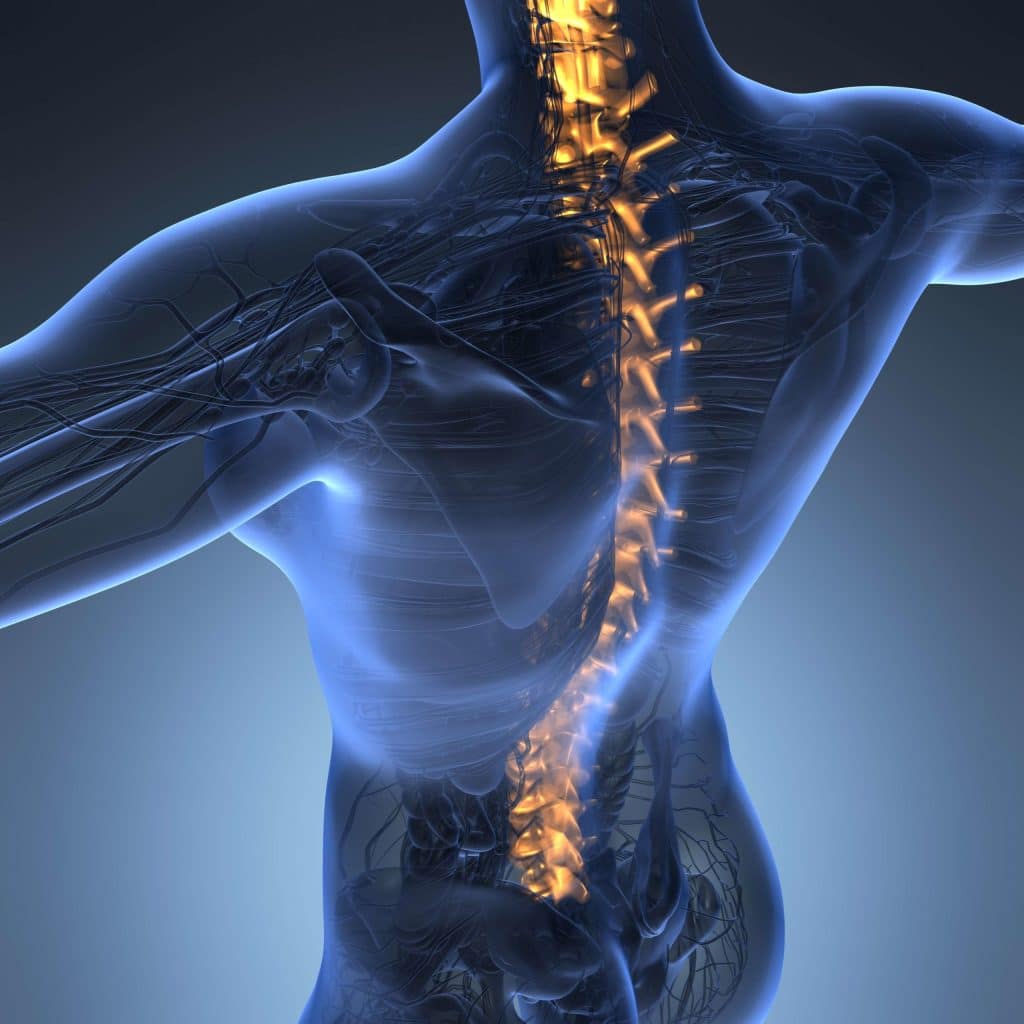
What Are Ergonomic Castors?
Ergonomics focuses on shaping tools and systems around human capabilities. When applied to castors, ergonomics ensures the wheel and swivel system require minimal effort during movement. Instead of forcing operators to adapt to difficult or heavy carts, ergonomic castors reduce resistance, allowing equipment to move naturally and safely.
Key Characteristics of Ergonomic Castors
- 𝗟𝗼𝘄𝗲𝗿 𝘀𝘁𝗮𝗿𝘁 𝗳𝗼𝗿𝗰𝗲: Operators exert less effort to get the load moving.
- 𝗥𝗲𝗱𝘂𝗰𝗲𝗱 𝘀𝘂𝘀𝘁𝗮𝗶𝗻𝗲𝗱 𝗳𝗼𝗿𝗰𝗲: Movement stays smooth even over longer distances.
- 𝗜𝗺𝗽𝗿𝗼𝘃𝗲𝗱 𝘀𝘁𝗲𝗲𝗿𝗶𝗻𝗴 𝗲𝗳𝗳𝗶𝗰𝗶𝗲𝗻𝗰𝘆: Turning, reversing, and navigating tight areas become easier.
- 𝗔𝗽𝗽𝗹𝗶𝗰𝗮𝘁𝗶𝗼𝗻-𝗳𝗶𝘁 𝗱𝗲𝘀𝗶𝗴𝗻: Castors must suit the floor, load, environment, and duty cycle.

Because each facility has unique challenges, ergonomic castors should always be selected based on real-world conditions rather than generic assumptions.
Why Ergonomic Castors Are Essential
1. Significant Health & Safety Advantages
Musculoskeletal disorders continue to be one of the leading causes of workplace injuries. These injuries often develop from repetitive force, awkward postures, or excessive load handling. Since ergonomic castors minimize resistance throughout movement, they help operators work with less strain, thereby lowering the likelihood of back, shoulder, and wrist injuries.
2. Higher Daily Productivity
When carts roll smoothly, workers can move more materials with less fatigue. Additionally, greater comfort reduces micro-delays caused by repositioning, overexertion, or recovery pauses. Together, these benefits allow teams to maintain a faster, more consistent workflow.
3. Reduced Long-Term Operating Costs
Although ergonomic castors may cost more upfront, they lower overall expenses. Fewer injuries mean reduced compensation claims, less temporary staffing, and fewer disruptions. Moreover, equipment that moves naturally experiences less wear, resulting in fewer replacements and repair costs.
4. Better Suitability for Diverse Conditions
Every facility has variations in floor type, debris levels, temperature conditions, and load behaviour. Therefore, choosing proper ergonomic castors ensures mobility remains safe and efficient even in demanding or unpredictable environments.
Understanding Push/Pull Force
To obtain accurate results, force gauges are used in controlled, repeatable test conditions. However, the testing process must simulate real-world environments as closely as possible.
Key Factors in Push/Pull Measurement
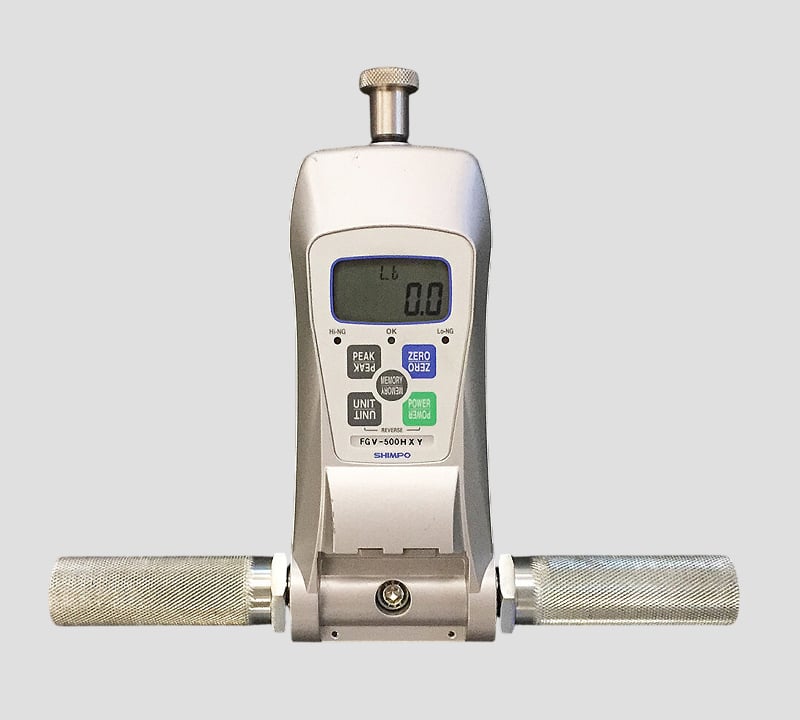
To measure push/pull accurately, we use devices force gauges to apply and record the exact force needed to set a loaded cart in motion and keep it moving. Essential components of the measurement process include:
• 𝗥𝗲𝗽𝗿𝗲𝘀𝗲𝗻𝘁𝗮𝘁𝗶𝘃𝗲 𝘀𝘂𝗿𝗳𝗮𝗰𝗲𝘀 (smooth concrete, epoxy, carpet, etc.)
• 𝗖𝗼𝗿𝗿𝗲𝗰𝘁 𝗹𝗼𝗮𝗱 𝘄𝗲𝗶𝗴𝗵𝘁 for real-world relevance
• 𝗖𝗼𝗻𝘀𝗶𝘀𝘁𝗲𝗻𝘁 𝗵𝗮𝗻𝗱𝗹𝗲 𝗮𝗻𝗴𝗹𝗲 𝗮𝗻𝗱 𝘀𝗽𝗲𝗲𝗱 during testing
• 𝗙𝗼𝗿𝗰𝗲 𝗴𝗮𝘂𝗴𝗲𝘀 that capture both start and sustained force
This data ensures you select castors that genuinely reduce operator effort and meet ergonomic standards.
Proper Measurement Techniques for Accurate Results
Force gauges are precision instruments designed to measure the exact amount of force applied to move an object. These tools record both initial push force (the force required to start movement) and sustained pull force (the force needed to keep the load moving). By carefully capturing push/pull data in a variety of applications, we can confidently recommend castors that meet ergonomic standards and improve operator safety. Here are some ways we ensure proper push/pull measurement of our products and their usage for partner applications:

Calibration
All force gauges are calibrated regularly to ensure they measure accurately, reducing measurement error.

Consistent Conditions
We simulate conditions that match your workplace, whether testing on smooth warehouse floors or carpeted areas

Operator Positioning
Measurements are taken from a position aligned with typical operator height, often waist-level, to mimic natural movement.

Repetition for Consistency
Repeated measurements ensure accuracy, with any anomalies filtered out to prevent misleading data.
How to Choose the Right Ergonomic Castors:
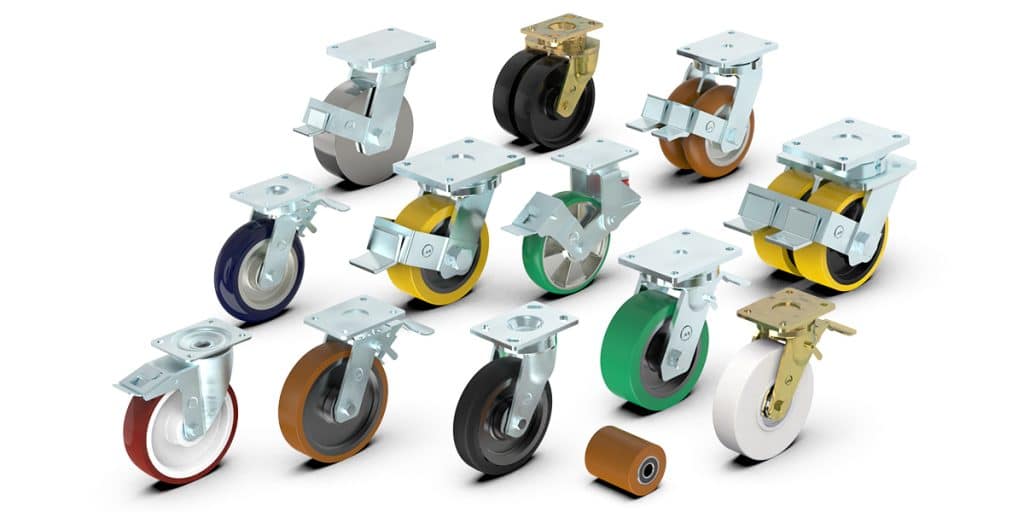
Selecting ergonomic castors requires a methodical approach. Muvtons uses the following steps to ensure every castor configuration matches real operational needs.
How to Choose the Right Ergonomic Castors:
𝟭: 𝗗𝗲𝗳𝗶𝗻𝗲 𝗟𝗼𝗮𝗱 𝗖𝗼𝗻𝗱𝗶𝘁𝗶𝗼𝗻𝘀
Before anything else, assess:
• Total load weight
• Number of castors supporting the load
• Nature of the load (static, shifting, dynamic)
• Movement on inclines, slopes, or uneven surfaces
Without understanding load distribution, proper ergonomic performance cannot be guaranteed.
𝟮: 𝗘𝘃𝗮𝗹𝘂𝗮𝘁𝗲 𝗙𝗹𝗼𝗼𝗿 & 𝗘𝗻𝘃𝗶𝗿𝗼𝗻𝗺𝗲𝗻𝘁𝗮𝗹 𝗙𝗮𝗰𝘁𝗼𝗿𝘀
The environment influences resistance more than many users realize. For example:
• Smooth or rough surfaces
• Presence of debris, metal shavings, or cracks
• Outdoor vs. indoor use
• Temperature extremes
• Moisture, chemicals, or corrosives
Each condition requires a suitable wheel material and bearing design.
𝟯: 𝗦𝘁𝘂𝗱𝘆 𝗢𝗽𝗲𝗿𝗮𝘁𝗼𝗿 𝗠𝗼𝘃𝗲𝗺𝗲𝗻𝘁𝘀
Understanding how workers interact with equipment is equally • important. Therefore, consider:
• Manual vs. towline movement
• Frequency of trips
• Distance covered per shift
• Operator height and posture
Even small posture differences can change ergonomic requirements.
𝟰: 𝗖𝗵𝗼𝗼𝘀𝗲 𝗖𝗮𝘀𝘁𝗼𝗿 𝗦𝗽𝗲𝗰𝗶𝗳𝗶𝗰𝗮𝘁𝗶𝗼𝗻𝘀
Next, define the core technical parameters:
• 𝗪𝗵𝗲𝗲𝗹 𝗱𝗶𝗮𝗺𝗲𝘁𝗲𝗿 & 𝘄𝗶𝗱𝘁𝗵: Larger wheels usually lower resistance.
• 𝗧𝗿𝗲𝗮𝗱 𝗺𝗮𝘁𝗲𝗿𝗶𝗮𝗹: Polyurethane, rubber, nylon, etc.
• 𝗕𝗲𝗮𝗿𝗶𝗻𝗴 𝘁𝘆𝗽𝗲: Precision, ball bearing, roller bearing, etc.
• 𝗦𝘄𝗶𝘃𝗲𝗹 𝗱𝗲𝘀𝗶𝗴𝗻: Long swivel leads reduce effort.
• 𝗦𝘄𝗶𝘃𝗲𝗹/𝗿𝗶𝗴𝗶𝗱 𝗰𝗼𝗺𝗯𝗶𝗻𝗮𝘁𝗶𝗼𝗻: Impacts steering and stability.
• Mounting type: Ensures secure attachment and longevity.
When these elements align correctly, ergonomic performance increases dramatically.
𝟱: 𝗧𝗲𝘀𝘁 𝘁𝗵𝗲 𝗦𝗲𝘁𝘂𝗽 𝗶𝗻 𝗥𝗲𝗮𝗹 𝗖𝗼𝗻𝗱𝗶𝘁𝗶𝗼𝗻𝘀
Whenever possible, always validate castor performance under:
• Actual floor conditions
• Actual load weight
• Actual operator usage
This is the only way to confirm ergonomic standards are genuinely met.
𝟲: 𝗠𝗮𝗶𝗻𝘁𝗮𝗶𝗻 𝘁𝗵𝗲 𝗖𝗮𝘀𝘁𝗼𝗿𝘀 𝗥𝗲𝗴𝘂𝗹𝗮𝗿𝗹𝘆
Even the best ergonomic castors deteriorate if:
• Bearings seize
• Wheels accumulate debris
• Mounting bolts loosen
• Swivels dry out due to lack of lubrication
Routine inspection keeps force levels low and performance consistent.
The Impact of Back Injuries on Industrial Operations


Increased Worker Fatigue
Back injuries immediately reduce a worker’s strength, mobility, and endurance. Even when present on the job, injured operators work slower, struggle with push/pull tasks, and tire more quickly—leading to reduced daily output and inconsistent performance across shifts.
Unexpected Absenteeism
Back injuries are one of the leading causes of missed workdays. When a skilled operator is out, operations must adjust with fewer hands, unplanned shift changes, or temporary labor. This disrupts workflow, increases workload on remaining staff, and often lowers the overall efficiency of the production floor.


Slower Production Output
When back pain limits how efficiently employees can move materials, equipment, or carts, the entire production rhythm slows down. Tasks take longer, bottlenecks form more easily, and even small delays compound into reduced throughput—directly impacting delivery timelines.
Higher Operational Costs
The financial impact extends far beyond medical treatment. Back injuries drive compensation claims, overtime expenses, hiring temporary replacements, and retraining costs. These added expenses often exceed the cost of the injury itself and can quickly drain operational budgets.


Risk of Long-Term Workflow Disruptions
Repeated injuries weaken workforce stability and can create ongoing inefficiencies. High injury rates lower morale, increase turnover, and force companies to constantly adjust staffing and schedules. Over time, these disruptions can impact customer commitments, output quality, and overall business performance.
OSHA Is Cracking Down on Ergonomics!
A National Emphasis Programs (NEP) focuses OSHA’s resources on particular hazards and high- hazard industries to address the root cause of workplace injuries while aligning business practices with the goal of ensuring worker health and safety.
“According to OSHA’s “Safety Pays” program, the average direct cost of a strain or sprain injury (such as a back injury) is approximately US $32,000, with indirect costs raising the total significantly through factors such as lost productivity, training replacement workers and overtime.
Furthermore, OSHA’s data show that, in 2023, the incidence of back-injury cases involving days away from work reached approximately 250,830 in U.S. private industry.
Together, these figures underscore that back injuries are not only human-health issues — they are serious business risks, with measurable cost and productivity impact.”

Not Sure Which Castor You Need? We’ll Help.
Every environment has unique load, floor, and mobility challenges. Our engineering team can help you configure the perfect ergonomic castor system for your facility.
Request a free consultation with a Muvtons expert today.
